Patios and walkways in Carmel
Paver and stone patios built on a base that keeps them flat.
What you see on a patio is the top couple of inches. What decides whether it's still flat ten years on is underneath: how deep we dig, what the base is made of, how well it's compacted, and where the water goes. We dig out the topsoil down to firm ground, build the gravel base in compacted layers, and pitch the surface so water runs away from the house.
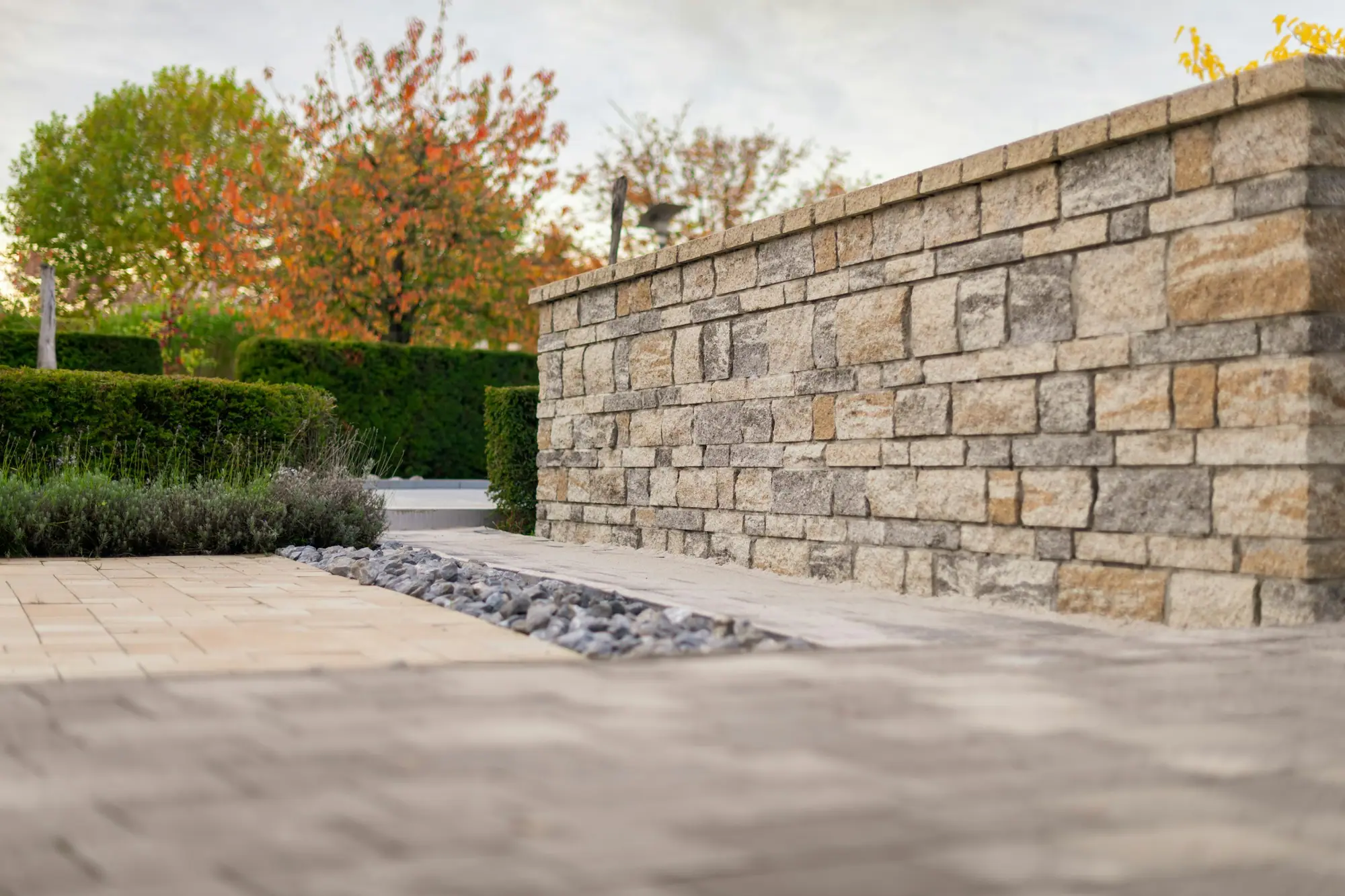
We build with concrete pavers, natural flagstone and brick. Each one looks, wears and costs differently, so we bring samples you can see in your own light. Walkways, steps, seat walls and a fire pit area can all be part of the same plan.
What's included
- Layout marked out in the yard before we dig
- Excavation and a compacted gravel base
- Concrete pavers, flagstone and brick
- Edge restraint and joint sand
- Steps, seat walls and fire pit areas
A good time to call
- Your old patio has sunk or cracked
- Water pools on the walk or runs toward the house
- You're tired of carrying chairs across wet grass
- The front walk is too narrow for two people side by side
Questions people ask
Don't see yours? Call (317) 555-0149.
Why do some paver patios sink or heave?
Almost always the base. Too little gravel, poor compaction, or soft soil left underneath lets the surface settle, and trapped water lifts it when the ground freezes. The pavers themselves rarely fail.
Pavers or poured concrete?
Poured concrete costs less up front and goes in faster, but it cracks over time and a crack is hard to hide. Pavers cost more, flex with the ground, and a single piece can be lifted and reset. We'll price both if you're undecided.